
Self-service kiosks have rapidly evolved from simple information terminals to multifunctional business tools that enhance customer experience, streamline operations, and drive efficiency. Across industries such as retail, hospitality, healthcare, and transportation, the adoption of custom self-service kiosks has surged due to a combination of technological advancements, changing consumer behaviors, and operational needs. Understanding the key trends driving this demand helps businesses make informed decisions about deploying kiosks that meet both current and future requirements.
Table of Contents
ToggleIncreasing Consumer Preference for Self-Service
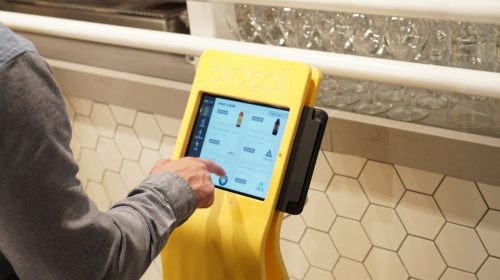
One of the primary factors driving the demand for self-service kiosks is the growing preference among consumers for fast, convenient, and contactless interactions. Shoppers and diners increasingly favor options that allow them to browse, order, or pay without waiting for staff assistance. A well-designed Custom Self Service Kiosk enables businesses to meet these expectations by providing intuitive interfaces, personalized interactions, and quick transaction processing. By catering to customer preferences, kiosks enhance satisfaction and loyalty while reducing operational bottlenecks during peak periods.
Contactless and Mobile Payment Adoption
The shift towards contactless and mobile payments has accelerated the adoption of self-service kiosks, particularly in retail and hospitality sectors. Modern consumers expect seamless payment options, including tap-to-pay cards, mobile wallets, and QR code-based transactions. Custom kiosks allow businesses to integrate multiple payment methods, ensuring secure and convenient transactions. By supporting a variety of payment solutions, kiosks cater to a tech-savvy customer base and reduce dependency on traditional cash or staff-operated payment counters.
Focus on Operational Efficiency
Businesses are increasingly seeking ways to optimize operational efficiency while managing labor costs. Custom self-service kiosks automate routine tasks such as order processing, ticketing, check-ins, and bill payments, freeing employees to focus on higher-value tasks such as personalized customer service. Kiosks also minimize human error, improve transaction speed, and streamline workflow processes. This operational efficiency not only reduces costs but also improves overall service quality, making kiosks an attractive investment for businesses aiming to balance cost and customer satisfaction.
Demand for Personalized Customer Experiences
Personalization has become a key trend influencing kiosk design. Consumers expect interactions that are tailored to their preferences, purchase history, or location. Custom kiosks can provide personalized recommendations, loyalty program integration, and targeted promotions based on user behavior. In hospitality, for example, kiosks can adjust options based on guest preferences or offer room and service suggestions. Personalization enhances engagement, encourages repeat business, and differentiates businesses from competitors in crowded markets.
Integration with Analytics and Data Insights
Data-driven decision-making is becoming increasingly important for businesses, and custom kiosks serve as valuable tools for collecting and analyzing customer behavior. Kiosks capture transaction data, interaction patterns, and service preferences, which can be integrated into enterprise systems to optimize inventory, marketing strategies, and operational planning. Analytics capabilities embedded in kiosks allow businesses to identify trends, forecast demand, and improve overall decision-making. This focus on actionable insights is a major driver for the adoption of custom kiosks in industries that rely on customer intelligence.
Flexibility and Multi-Functionality
Modern businesses require technology that can adapt to changing demands and environments. Custom self-service kiosks are highly flexible and can be tailored to perform multiple functions, including ticketing, ordering, check-ins, information provision, and payment processing. Multi-functional kiosks reduce the need for separate devices, save space, and offer a unified solution for operational needs. This versatility makes them particularly appealing to businesses seeking scalable and cost-effective solutions.
Adoption of Touchless and Hygienic Technologies
The emphasis on hygiene and health safety, particularly in the post-pandemic era, has increased demand for touchless and voice-activated kiosks. Features such as QR code scanning, gesture control, and mobile-based interactions reduce physical contact, enhancing safety for customers and staff. Businesses are adopting kiosks equipped with antimicrobial surfaces and easy-to-clean materials to further address hygiene concerns. These features not only meet health standards but also reassure customers about their safety, contributing to higher adoption rates.
Sustainability Considerations
Sustainability is becoming an important factor influencing business technology decisions. Custom self-service kiosks are now designed with energy-efficient components, durable materials, and modular structures that reduce electronic waste. Many manufacturers also offer recyclable or environmentally friendly materials. Businesses that prioritize sustainability benefit from lower energy costs, reduced waste, and alignment with corporate social responsibility goals.
Future-Oriented Technology Integration
Emerging technologies such as artificial intelligence, augmented reality, and cloud-based management are also shaping the demand for custom kiosks. AI-driven kiosks can offer personalized recommendations, predictive analytics, and intelligent customer interactions. Cloud integration allows for centralized management of multiple kiosks across locations, enabling software updates, remote troubleshooting, and real-time performance monitoring. Incorporating these technologies ensures that businesses remain competitive and prepared for future operational demands.
Conclusion
The demand for custom self-service kiosks is driven by several interrelated trends, including the rise of self-service preferences, contactless payments, operational efficiency, personalization, data analytics, multi-functionality, hygiene concerns, sustainability, and future-ready technology integration. By adopting custom kiosks, businesses in retail, hospitality, and other sectors can enhance customer experience, streamline operations, and gain actionable insights. Understanding these trends allows businesses to invest in kiosk solutions that are not only practical and efficient but also capable of adapting to evolving market demands.